Summer in Ladner brings warm, humid days that can put dogs and cats at real risk of overheating. To keep pets safe, limit activity during peak heat, always provide shade and fresh water, and never leave a pet in a parked car. Watch for heavy panting, drooling, weakness, or vomiting, and contact your veterinary team right away.
The warmer stretch of the year means longer walks and more time outdoors across Ladner, Delta, and the wider Lower Mainland. Those same conditions are also when overheating quietly becomes a concern. Here is how heat affects pets, what to watch for, and the simple habits that keep your companion animals comfortable all season.
Why Warm Weather Is Harder on Pets Than on People
People cool down by sweating over most of the body. Dogs and cats cannot. Dogs rely mainly on panting and release only a small amount of heat through their paw pads, while cats seek out cool surfaces and groom to shed warmth. When the air is warm and humid, these built-in cooling systems fall behind quickly. Once a pet cannot release heat fast enough, body temperature climbs, and that is when overheating and heatstroke become a genuine risk.
Some pets feel it sooner than others. Flat-faced (brachycephalic) breeds such as Bulldogs, Pugs, Boxers, and Persian cats have narrower airways that make panting less efficient. Senior pets, very young pets, overweight pets, and those with heart or breathing conditions are also more sensitive, and thick or dark coats add another layer of heat retention. Knowing where your own pet sits on that scale helps you plan a safer summer routine.
Early Signs of Overheating to Watch For
Catching trouble early matters. Contact your veterinary team promptly if you notice any of the following during or after time in the heat:
- Heavy, frantic panting that does not settle with rest
- Thick drool or excessive salivation
- Bright red or unusually pale gums
- Weakness, stumbling, or an unsteady, wobbly walk
- Vomiting or diarrhea
- Confusion, restlessness, or collapse
These signs can point to a situation that worsens fast. Rather than waiting to see whether things improve on their own, it is safer to reach out for professional guidance. If your pet appears to be in distress, prompt urgent care can make an important difference.
Everyday Prevention at Home and on Ladner Walks
Most heat trouble is preventable with a few habits:
- Time your walks. On warm days, head out in the early morning or the evening, once temperatures and pavement have cooled. Midday sun is the hardest stretch for pets.
- Do the pavement test. Press the back of your hand to the sidewalk for seven seconds. If it is too hot for your hand, it is too hot for paws.
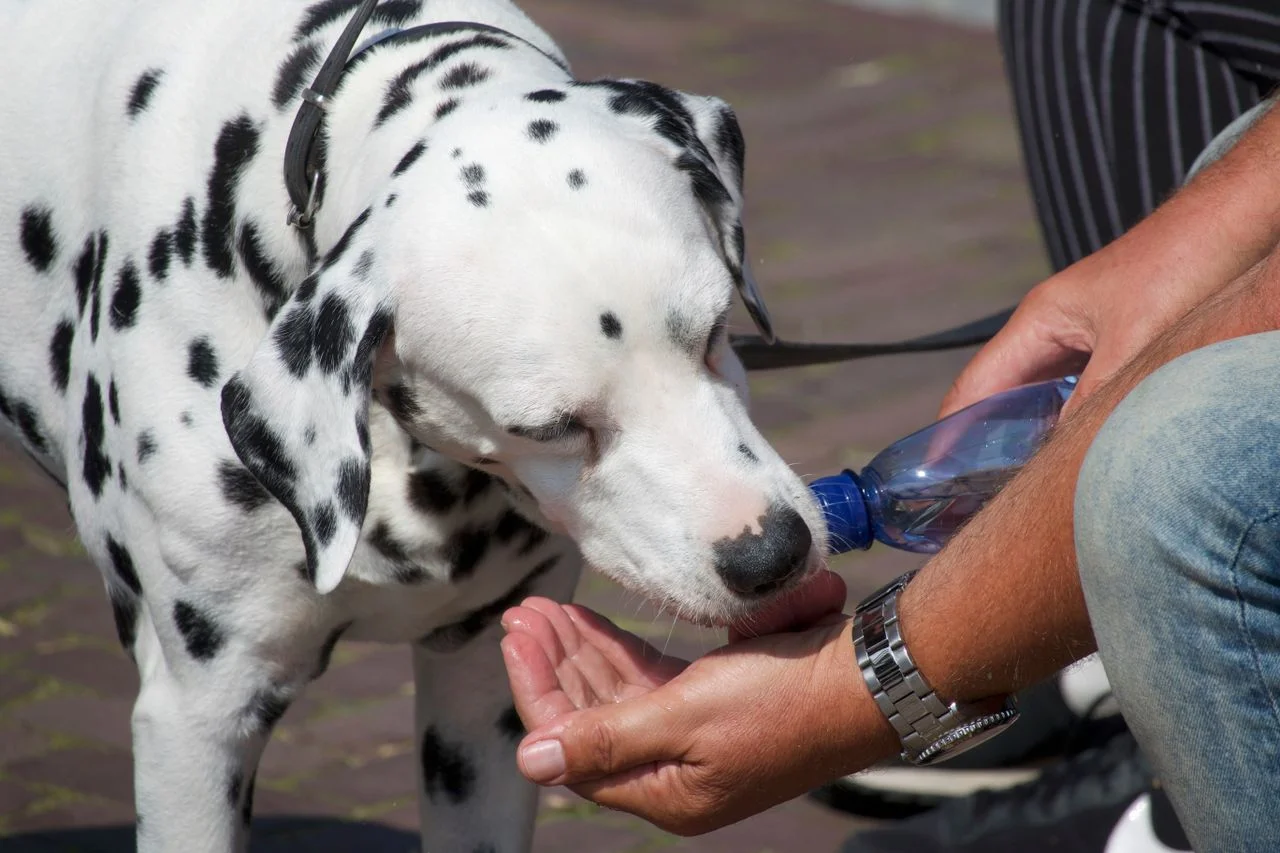
- Keep water everywhere. Offer fresh, cool water indoors and out, and carry a portable bottle and bowl on walks. Hydration is one of your simplest tools.
- Make shade easy to reach. Whether your pet is in the yard or resting by a window, give them a cool, shaded spot to retreat to.
- Never leave a pet in a parked car. Even on a mild day, and even with the windows cracked, a vehicle heats up dangerously fast. This is one of the most common and most preventable causes of overheating.
- Rethink the summer shave. A coat also helps regulate temperature and protects skin from sunburn. Before any dramatic clip, ask about coat care through professional grooming services, which can keep your pet cooler without removing protection they need.
Weight plays a quiet but important role too. Extra body weight makes it harder for a pet to cool down and adds strain in the heat. If your dog or cat is carrying a few extra pounds, a plan built with nutrition counselling can support healthier, more comfortable summers over the long term.
Indoor cats deserve the same attention. On hot days, make sure your cat can reach cool tile floors, shaded rooms, and fresh water, and consider closing blinds on sun-facing windows through the afternoon.
When Overheating Becomes an Emergency
Heatstroke can move from mild to serious in minutes. If your pet is severely affected, showing signs like collapse, persistent vomiting, or a dazed state, treat it as an emergency and contact your veterinary team or urgent care immediately. On the way, you can help by moving your pet to a cool, shaded place and offering small amounts of cool (not ice-cold) water if they are able to drink. Avoid forcing rapid cooling on your own, since that can create new problems. The goal is to get your pet into professional hands quickly.
The Role of Routine Wellness Care
Prevention is easier when you know your pet’s baseline. Regular checkups through wellness programs give your veterinary team a chance to flag conditions that raise heat risk, such as weight concerns, heart or airway issues, and age-related changes, before the hottest part of the year arrives. For pets with known sensitivities, a short conversation about summer planning goes a long way.
Wellness visits are also the right moment to ask about parasite prevention, since warmer months bring more fleas, ticks, and mosquitoes to Ladner and Delta.
Frequently Asked Questions
How hot is too hot for a dog walk in Ladner?
There is no single temperature, because humidity and your dog’s breed, age, and fitness all matter. As a rule, walk in the early morning or evening on warm days, use the seven-second pavement test, and keep water on hand. If your dog is a flat-faced breed, a senior, or overweight, be extra cautious.
Can indoor cats overheat?
Yes. Cats can struggle in warm, poorly ventilated rooms. Provide access to cool surfaces, shade, and fresh water, and close blinds on sunny windows during the afternoon to keep indoor spaces comfortable.
What should I do first if I think my pet is overheating?
Move them to a cool, shaded area, offer small amounts of cool water if they can drink, and contact your veterinary team or urgent care right away. Do not wait to see whether the signs pass on their own.
Does shaving my dog or cat keep them cooler?
Not always. A coat helps regulate temperature and shields skin from the sun. Instead of a heavy shave, ask about coat-appropriate grooming that keeps your pet cool while protecting their skin.